The International Consumer Electronics Expo is a great event to find the pulse of technological innovation and 2014 didn't disappoint. Hundreds of exciting new electronics and technological advances were introduced last week at CES 2014. After sifting through everything CES had to offer this year, we've found a few important trends that can lead to big savings all throughout the year.
As expected, the word "smart" continues to be the buzzword of the moment, with many companies pushing towards inter-connected devices and products accessible through an app, be it a home security system, Wi-Fi-connected crock pot, or the dozens of different fitness bands debuting on the CES 2014 floor. Companies like Samsung announced plans for cloud-based "smarthome" services, and while Apple's smartwatch still remains a rumor, numerous companies (like Intel) announced plans for wearable tech able to communicate with smartphones, tablets, and other devices.

Of course, CES 2014 wouldn't be CES without beautiful televisions and sleek new in-home tech. And the only phrases uttered more than "smart" as CES this year was "4K" and "UltraHD", as everyone from LG to Vizio debuted their 2014 line of televisions (including one that is 105 inches!). There was a noticable shift from recent years, with 4K (and beyond) technology garnering far more attention than anything 3D-related (which most TV manufacturers appear to be moving away from).
With those two big trends in mind, we've got some tips on how to save on what will be the hottest electronics of 2014.
Shop "off-season", or right before new models are released
When's the best time to go TV shopping, armed with Best Buy promo codes? It's not during the holidays, or even right after (thanks to the Super Bowl). It's in the traditional 'off-season' of consumer electronics: spring and summer. Thanks to events like CES 2014, this strategy is doubly effective: new models to be released in the fall/winter of this year are usually announced at these big expos, which encourages retailers to drop prices to empty out stock right before the new models (and the next holiday season) hit the shelves.
Buy It In A Bundle
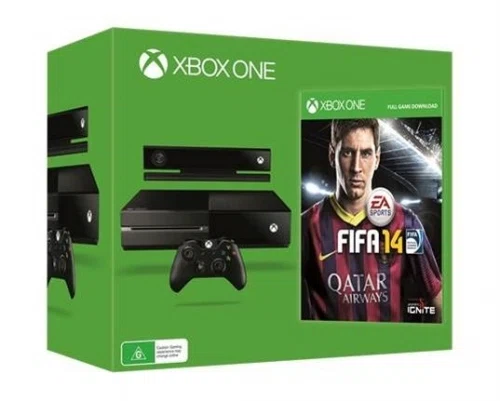
Whether it's a new laptop for work or a new Playstation 4 for play, buying a bundle is always the best way to save money. With laptops, it can nearly eliminate the cost of buying cords, printers, and other accessories - and with something like the Xbox One, can save $20 on the added cost of buying a new game and a subscription to Xbox Live.
Invest on Kickstarter (and check out Steam Early Access)
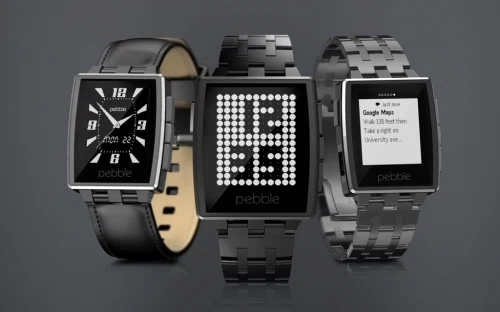
Really want to find an out-of-the-box way to get the hottest tech in your house at a discount price? Just turn to Kickstarter. Many of the thousands of tech-related projects offer a production model of their product at a discounted price via their donation tiers. For example, people who backed the Pebble Kickstarter for $115 received a Pebble smartwatch when they became available (a $150 value, or a discount of $35).
For gamers looking to get their hands on the hottest games in a similar fashion (and not already doing so on Kickstarter), Steam's Early Access program is worth a look. For a discount of a game's retail price, gamers can essentially become beta testers, with full access to every version of the game uploaded by the developers until the project's completion and release in the Steam marketplace.
Go All-in-One For Your Computer Needs
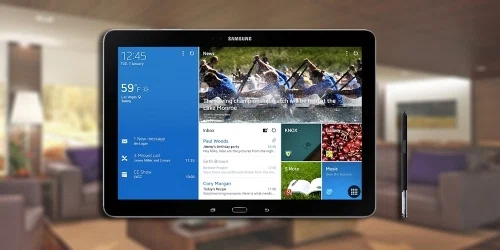
With touchscreens becoming more ubiquitous and tablets getting more and more powerful, having both a laptop and tablet can seem redundant. Thanks to products like Apple's iPad Air, Samsung's Galaxy Note Pro 12.2 and Toshiba's concept "shape-shifting" all-in-one, there's no need to sacrifice productivity and power for portability anymore - nor is there the need to spend over a thousand bucks trying to fill your computing needs for work and play.
Seek Out The Affordable Wearable Tech
Whether smart watches or fitness bands (or even first-person cameras), "wearable tech" is all the rage right now, with over a dozen different devices debuting on the CES floor to adorn our wrists over the next year. Don't let the shiny looks and fancy numbers of the most expensive new wearable devices fool you: thanks to options like the Razer Nabu ($49) and the Martian Notifier ($129), there doesn't have to be a sacrifice in functionality or visual appeal to save your wallet.


