While smartphone cameras have gotten better over the years, they still can’t compete with the performance of DSLRs, which trump them in speed, photo quality, and versatility. Although the higher prices of DSLRs, which often exceed the $1,000-mark, continue to be a deterrent for potential first-time buyers, there are many excellent models for beginners that are lower than half that price point.
We at Dealspotr have looked at many reviews from experts across the web to find the best beginner DSLR on the market. These include both very technical reviews that evaluate the DSLRs performance against other DSLRs as well as those from consumer editors who give their overall impressions for the cameras.
The DSLR
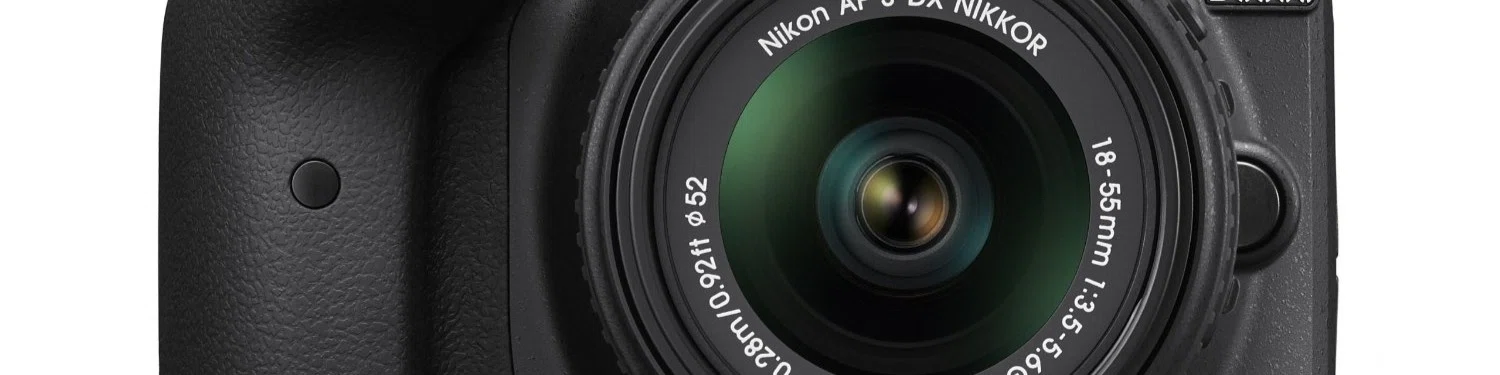
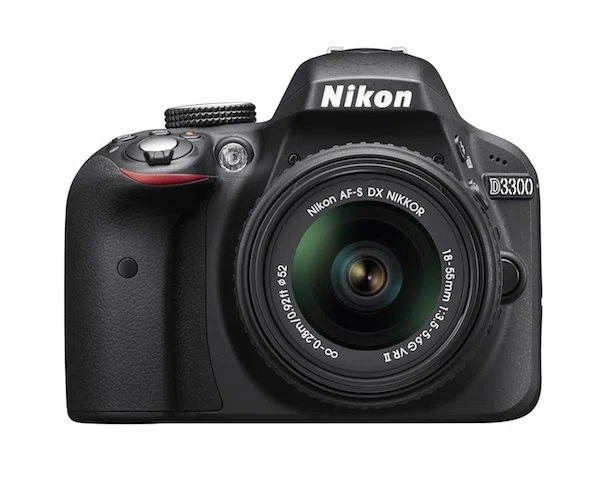
The Nikon D3300 is the best DSLR for beginners in terms of price, performance, and value. In addition to featuring a 24-megapixel filter-free sensor, the Nikon D330 also comes with a new Expeed 4 image processing engine that guarantees great shots regardless of the shooting conditions. Lastly, you’ll be able to capture high-speed action shots using the 5 frames-per-second shooting mode, which is great for getting photos of sports games and other fast-paced activities.
The Pros
CNET praised the Nikon D3300, saying that it has “very good photo quality for its class plus performance make the Nikon D3300 a solid choice for a first DSLR.” The CNET review goes on to compliment the Nikon D3300 for its action shot feature: “the camera delivers an excellent 5.1fps burst with autofocus and with no significant slowing.” TechRadar also gave high marks to the camera for the speed of its autofocus, writing that the “autofocusing speeds are pretty high, especially in daylight or well-lit conditions,” which is great for beginners who don’t feel comfortable shooting manually.
One consistently well-performing aspect of the Nikon D3300 is its ability to take high-quality pictures that you would otherwise expect from higher-end cameras. PC Magazine calls the image quality “very good, even in low light,” while Digital Photography Review says that “the D3300 can be relied upon to deliver very good images without much fuss.” Digital Camera Review goes into more detail regarding the image quality, explaining that “The [24 megapixel] resolution allows for some fairly aggressive crpping while still retaining excellent image quality,” to point out the wide range of post-capture options available for users.
The Cons
Most reviews fault the Nikon D3300 for not having enough features. Like CNET and TechRadar, Camera Labs maligned the absence of modern features, by writing that “Nikon could have gone further to woo potential customers with built-in Wi-Fi and GPS, not to mention AE bracketing of any description, all features which are commonplace on rival cameras.” Other complaints included the lack of moveable LCD and a smaller-than-usual viewfinder, however most reviews found these compromises acceptable given the affordable price of the Nikon D3300.
As far as alternatives go, the Pentax K-S1 SLR is a decent choice, although it too has several pain points. According to The Wirecutter, the Pentax K-S1 SLR suffers from a “goofy” strip of LED lights that run along the camera’s grip as well as a smaller grip, which is problematic for users who have bigger hands. Another alternative is the Canon EOS Rebel SL1 , which has also had terrific reviews, but comes at a $100 more expensive price point and 6 fewer megapixels.
Conclusion
At the end of the day, if you’re looking to upgrade your photography from your smartphone’s camera to a DSLR, you really can’t go wrong with the Nikon D3300. It’s relative ease-of-use, great autofocus, and impressive image quality make it a standout camera for beginners, and considering that you can continue to upgrade your gear by purchasing additional lens, you can hold onto it for quite a long time.